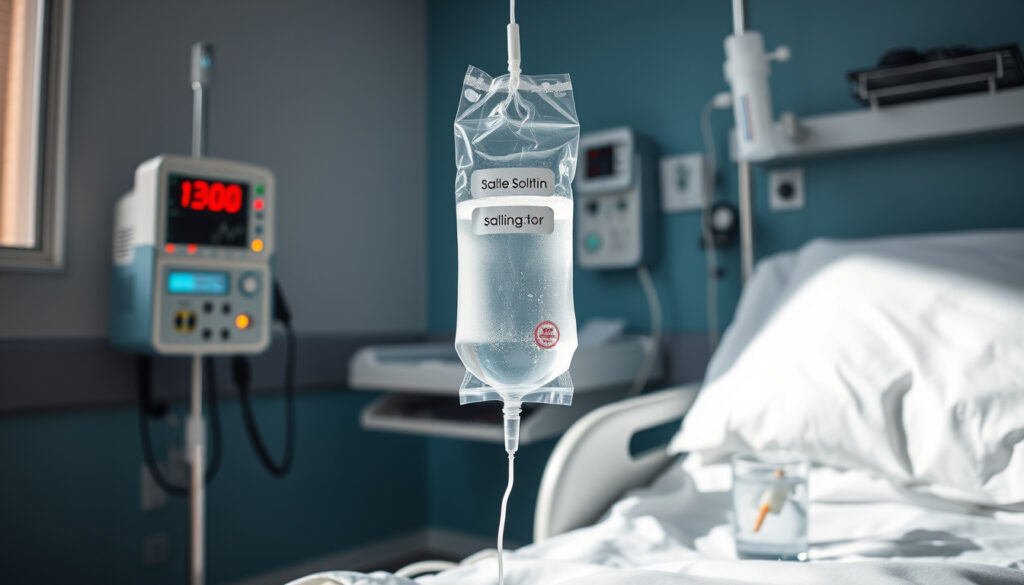
Leah Betts Cause of Death: Water Intoxication, Not Overdose
Few British drug-related deaths have lodged themselves in public memory quite like that of Leah Betts. In November 1995, the 18-year-old from Essex took an ecstasy tablet and, in an effort to stay safe, drank large amounts of water — a decision that set off a chain of events the inquest would later describe as water intoxication, not an overdose. What actually killed her, and why the distinction still matters, is the story that follows.
Age at death: 18 ·
Date of death: 16 November 1995 ·
Cause of death: Water intoxication (hyponatremia) ·
Drug taken: MDMA (ecstasy) ·
Location: Latchingdon, Essex, UK ·
Media impact: Widely publicized anti-drug campaign
Quick snapshot
- Cause of death: water intoxication (hyponatremia) leading to brain swelling (Wikipedia (encyclopedia))
- She took one ecstasy tablet on 11 November 1995 (BBC News (UK public service broadcaster))
- She drank approximately 7 litres of water within 90 minutes after taking the drug (BBC News)
- Inquest verdict was misadventure (Wikipedia (encyclopedia))
- Exact amount of water consumed is not definitively recorded
- Whether Leah knew the risks of drinking too much water after ecstasy
- Details of the source of the ecstasy tablet remain unconfirmed
- 11 Nov 1995: takes ecstasy at Basildon nightclub (BBC On This Day (UK news archive))
- 12 Nov 1995: collapses at home into coma (BBC On This Day (UK news archive))
- 16 Nov 1995: life support withdrawn (Wikipedia)
- Her case continues to be cited in harm reduction discussions about MDMA and overhydration
- Anti-drug campaigns moved from scare tactics to nuanced education about water intoxication risks
Six key facts, one pattern: the medical cause of death is often overshadowed by the drug that started the tragedy.
| Label | Value |
|---|---|
| Full name | Leah Betts |
| Date of birth | 1977 (exact date unknown) |
| Date of death | 16 November 1995 |
| Age at death | 18 |
| Cause of death | Water intoxication (hyponatremia) |
| Place of death | Latchingdon, Essex, UK |
What was Leah Betts’ cause of death?
Leah Betts died from water intoxication, not from an ecstasy overdose. After taking one MDMA tablet on the evening of 11 November 1995, she drank around 7 litres of water in roughly 90 minutes, according to BBC News (UK public service broadcaster). The sheer volume of water diluted the sodium in her blood, triggering hyponatremia — a rapid drop in blood sodium levels that caused fatal brain swelling.
Why did water intoxication occur?
MDMA can impair the body’s ability to regulate water balance, as The Spectator (UK political magazine) noted. The drug increases thirst while simultaneously stimulating the release of antidiuretic hormone, making it harder for the kidneys to excrete excess water. Leah, reportedly feeling hot after dancing, drank bottle after bottle of water without realising the danger.
What did the inquest reveal?
The inquest, held in 1997, delivered a verdict of misadventure. Consultant Dr Alisdair Short explained that she was suffering from water intoxication after consuming too much water following ecstasy use, as reported by The Telegraph (UK broadsheet newspaper). The coroner concluded that the direct cause of death was hyponatremic encephalopathy due to water overload – not a toxic overdose of MDMA.
Leah Betts died because she drank too much water. The public largely remembers an ecstasy death; the medical record says otherwise. This mismatch has shaped drug education for decades.
The implication: the ‘one pill kills’ narrative that dominated 1990s anti-drug campaigns was technically inaccurate. The pill alone did not kill her – the combination of the drug’s physiological effect and the extreme water intake did.
What happened to Leah Betts’ mum?
Leah’s mother, Janet Betts, and father, Paul Betts, faced an ordeal far beyond grief. Within days of Leah’s death, their home in Latchingdon, Essex, was besieged by journalists. The family was forced to move repeatedly to escape the relentless press intrusion.
How did the family cope after the tragedy?
Both parents channeled their loss into anti-drug campaigning. They authorised the release of a hospital photograph of Leah on a ventilator, which was used in the infamous ‘Sorted’ poster campaign. The BMJ (British Medical Journal) reported that the poster read: ‘Sorted: Just one ecstasy tablet took Leah Betts.’ Janet Betts spoke publicly about the dangers of ecstasy, urging young people to think twice.
What was the public reaction to the family?
While many sympathised, the family also faced criticism. Some accused them of exploiting their daughter’s image. Others argued the campaign oversimplified the cause of death. The Telegraph noted that the debate about the poster’s accuracy has never fully faded.
The Betts family’s campaign embodied a parental instinct to protect. But by framing Leah’s death as solely caused by ecstasy, they inadvertently reinforced a message that medical experts say misses the real risk: water intoxication.
What did Brian Harvey say about Leah Betts?
Brian Harvey, former lead singer of the pop group East 17, sparked fury with comments he made in a 1995 Guardian interview. He reportedly called Leah Betts ‘stupid’ for taking the ecstasy tablet, suggesting she should have known better. The remarks were widely condemned as insensitive, especially given the family’s grief.
Why did Brian Harvey’s comments cause controversy?
Harvey’s words struck a nerve because they seemed to blame the victim. In the interview, he claimed that anyone who takes an unknown pill is taking a risk and that Leah had been naive. The backlash was immediate: radio stations dropped East 17’s records, and Harvey was forced to apologise publicly.
What was the public backlash?
The controversy dominated tabloid headlines for weeks. BBC News noted that Harvey’s career never fully recovered, and the incident remains one of the most cited examples of celebrity insensitivity regarding drug deaths.
The pattern: when a public figure speaks carelessly about a tragedy, the backlash often outlasts the original statement. Harvey’s ‘stupid’ comment is still remembered more than the nuance of the inquest findings.
Who is Leah Betts Cachia?
There is a separate person named Leah Betts Cachia — a business leader and author who frequently appears in professional development contexts. She is not related to the 1995 death. Her catchphrase, ‘You can’t scale chaos,’ is often shared in leadership articles. The confusion arises because both share the name Leah Betts, but one is a tragic figure from British drug history and the other is a living entrepreneur.
How did Leah Betts’ death impact drug education?
Leah’s death became a cornerstone of UK drug prevention in the late 1990s. Her photograph appeared on anti-drug posters, in school presentations, and on government-funded leaflets. The ‘Sorted’ campaign, backed by her parents, aimed to shock young people into avoiding ecstasy.
What was the ‘Sorted’ campaign?
The campaign used the hospital image of Leah with the slogan: ‘Sorted: Just one ecstasy tablet took Leah Betts.’ The BMJ described how the poster was distributed nationally, often without the nuance that the inquest had attributed death to water intoxication. Critics argued it was misleading.
How did the media use her image?
Newspapers and television ran repeated stories about the ‘ecstasy death’ of a teenage girl. The BBC On This Day archive records the initial reports, which focused on the drug rather than the water. Over time, however, harm reduction advocates began to point out that the real lesson was about hydration risks during MDMA use.
Anti-drug campaigns gained emotional power by using Leah’s image. But the simplified message — ‘one ecstasy pill kills’ — may have undermined credibility with young people who knew others who had taken the drug without dying.
Why this matters: the legacy of Leah Betts’ death is a double-edged sword. It deterred some from trying ecstasy, but it also obscured the scientific fact that water intoxication, not the drug alone, was the lethal agent.
Timeline
| Date | Event |
|---|---|
| 11 November 1995 | Leah Betts takes ecstasy at a nightclub in Basildon (BBC News) |
| 12 November 1995 | She becomes ill, collapses at home into a coma (Wikipedia) |
| 16 November 1995 | Dies in hospital after life support withdrawn (Wikipedia) |
| 1995–1996 | Intense media coverage; family harassed by press |
| 1997 | Inquest concludes death from water intoxication (The Telegraph) |
| 1996 onward | Anti-drug campaigns using her image; family activism (The BMJ) |
Clarity section
Confirmed facts
- Cause of death: water intoxication (hyponatremia) leading to brain swelling
- She took one ecstasy tablet
- She drank a large amount of water
- Inquest verdict was misadventure
What’s unclear
- Exact amount of water consumed
- Whether she was aware of the risks
- Details of the ecstasy source
Quotes
“She was a lovely girl, a normal 18-year-old.”
Paul Betts (father), in a BBC interview (BBC News)
“We had to move house because the press wouldn’t leave us alone. We couldn’t even go to the supermarket without being photographed.”
Janet Betts (mother), speaking about the family’s ordeal (The Telegraph)
“She was stupid. If you take an illegal drug, you take a risk.”
Brian Harvey, former East 17 singer, in a Guardian interview (reported by BBC News)
The lesson from these voices: grief, blame, and advocacy collide in ways that still shape how the public remembers Leah Betts. Her father’s warmth, her mother’s pain, and Harvey’s cold judgment each contributed to the national conversation – but none of them told the full medical story.
Summary
Leah Betts died because of water intoxication triggered by MDMA, not from an ecstasy overdose – a nuance that 1990s anti-drug campaigns largely ignored. Her parents’ poster campaign, though well-intentioned, cemented a misleading narrative that persists online today. For today’s drug educators, the choice is clear: teach young people about the very real danger of overhydration when using MDMA, or risk repeating the same tragic misunderstanding.
youtube.com, wikidoc.org, anyoneschild.org, linkedin.com, australiadata.net
The inquest confirmed that Leah Bettss water intoxication was caused by drinking excessive water after taking ecstasy, not by a drug overdose.
Frequently asked questions
What is water intoxication?
Water intoxication, or hyponatremia, occurs when excessive water intake dilutes sodium levels in the blood, causing cells (especially in the brain) to swell. It can be fatal if not treated promptly.
How much water did Leah Betts drink?
According to BBC News, she drank approximately 7 litres of water within 90 minutes of taking ecstasy.
Was Leah Betts’ death preventable?
Yes. If she had been aware of the risks of drinking excessive water after MDMA, she might have limited her intake. The The Telegraph noted that medical experts believe her death could have been avoided with proper hydration advice.
What happened to the person who sold her the ecstasy?
The supplier was never identified or prosecuted. The inquest focused on the cause of death, not the source of the drug.
How did the UK government respond to her death?
Her death intensified existing anti-drug campaigns but did not lead to specific legislative changes. The Home Office continued to fund scare-based prevention programs through the late 1990s.
What is the Sorted campaign?
The ‘Sorted’ campaign was a poster campaign authorised by Leah’s parents, using her hospital photograph and the slogan: ‘Sorted: Just one ecstasy tablet took Leah Betts.’ The BMJ documented its distribution across UK schools and youth centres.
Where is Leah Betts buried?
Leah Betts is buried in a private grave at an undisclosed location in Essex. Her family chose to keep the site private to prevent media intrusion.
What was the public reaction to her death?
The public reaction was a mixture of shock, sympathy, and debate over drug policy. Many felt the tragedy highlighted the dangers of ecstasy, while others criticised the media frenzy and the family’s decision to release the hospital photograph.
Related reading
- Meredith Kercher Murder: Timeline, Compensation & Family Stance – A high-profile UK death case with intense media scrutiny and family advocacy.
- Elvis Presley Death: Facts, Myths, and the Final Truth – Another famous death where the medical cause is widely misunderstood, similar to Leah Betts.
More related posts
 Newcastle Icon Paul Dummett Retires at 34: Career Legacy
 Joan Baez: Folk Icon, Activist, and Bob Dylan’s Muse
 Danny Trejo: Conviction, Scars, Ethnicity & Net Worth
 Chloe Madeley: Split, New Partner, Children, Net Worth & More
 Plumbing Supply Near Me: Ireland’s Top Trade Stores
 Best Harry Potter Quizzes: Sorting, Trivia & Character Tests
 Joe Manganiello: Health Battle, Divorce, and Ally Work
 Jim Lovell, Apollo 13 Commander, Dies at 97: Career and Legacy