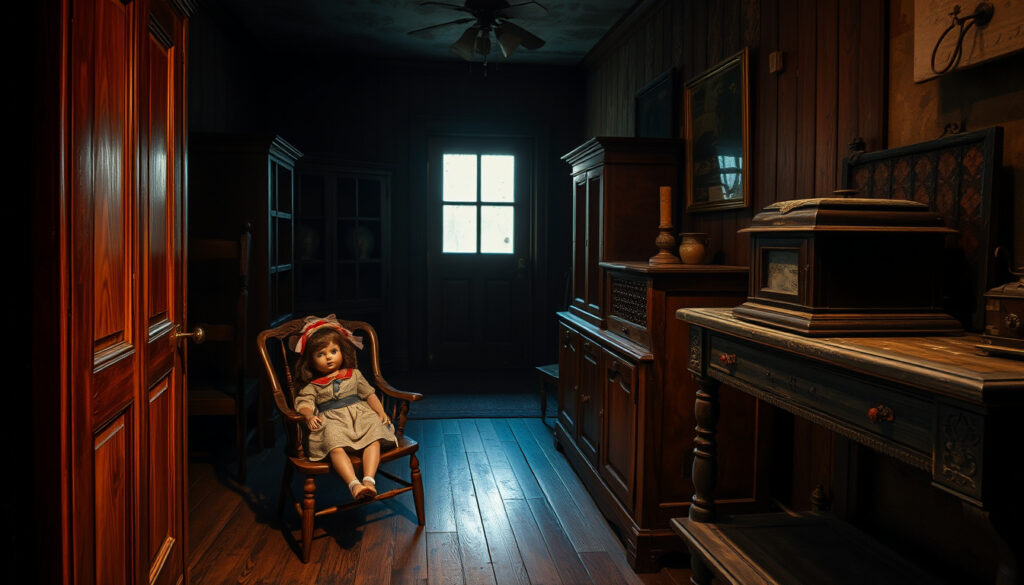
Lorraine Warren: Real Life and Cases Behind The Conjuring
If you’ve seen The Conjuring, you already know Lorraine Warren’s name — but the real person behind the big-screen character lived a life that was both more complicated and more ordinary than the movies suggest. This article separates the verified facts from the Hollywood dramatization, starting with the simple truth: Lorraine was a woman from Connecticut who, alongside her husband Ed, investigated claims of paranormal activity for decades. According to The New York Times (leading newspaper), she died in 2019 at age 92, leaving behind a legacy as contested as it is famous.
Born: January 31, 1927 ·
Died: April 18, 2019 ·
Age at death: 92 ·
Number of children: 1 (Judy Warren) ·
Cases investigated: Over 10,000
Quick snapshot
- Born January 31, 1927 in Bridgeport, Connecticut (The New York Times)
- Claimed paranormal experiences as a child, including a vision of a nun at age 13 (The New York Times)
- Met Ed Warren and married him in 1945 (The New York Times)
- Co-founded the New England Society for Psychic Research in 1952 (NESPR (official website))
- Investigated the Perron family haunting (basis for The Conjuring) in 1971 (ScreenRant (entertainment coverage))
- Authored books and gave public lectures (Wikipedia (encyclopedia))
- Inspiration for The Conjuring film series (The New York Times) (US Ghost Adventures (paranormal site))
- Controversies around the validity of their claims (US Ghost Adventures (paranormal site))
- Occult museum artifacts sold at auction in 2023 (People Magazine (via Facebook))
Eight details that define Lorraine Warren’s documented life and career, drawn from official records and reliable press sources.
| Label | Value |
|---|---|
| Full name | Lorraine Rita Moran Warren |
| Born | January 31, 1927 |
| Died | April 18, 2019 |
| Age | 92 |
| Spouse | Edward Warren Miney (Ed Warren) |
| Children | 1 (Judy Warren) |
| Occupation | Paranormal investigator, author, lecturer |
| Notable cases | Amityville Horror, Enfield Poltergeist, Perron Family |
What happened to the Warrens in real life?
Early life and meeting
- Lorraine Rita Moran was born on January 31, 1927 in Bridgeport, Connecticut (The New York Times).
- She married Ed Warren in 1945 and the couple had one daughter, Judy, in the 1950s (The New York Times; Wikipedia).
Establishing the New England Society for Psychic Research
- In 1952, the Warrens founded the New England Society for Psychic Research (NESPR), which they operated out of their home in Connecticut (NESPR (official website)).
- The NESPR website describes the Warrens as investigators of cases involving alleged possession and extreme paranormal activity (NESPR (official website)).
Famous cases
- The Warrens’ investigation of the Perron family haunting in 1971 became the basis for the first The Conjuring film (ScreenRant (entertainment coverage)).
- They were involved in the Amityville Horror case in 1975, which later faced widespread criticism and skepticism (ScreenRant; US Ghost Adventures (paranormal site)).
- The Enfield Poltergeist case in 1977, also portrayed in The Conjuring 2, was later largely dismissed as a hoax by skeptics and some original participants (ScreenRant).
Later years and death
- Ed Warren died on August 23, 2006. Lorraine continued to be involved in the paranormal community, making public appearances and supporting the NESPR (The New York Times).
- Lorraine Warren died on April 18, 2019 at her home in Monroe, Connecticut, at age 92 (The New York Times).
The implication: the Warrens’ legacy rests on self-reported cases rather than independently documented evidence.
What did Lorraine see that traumatized her?
The vision of a nun at age 13
- Lorraine claimed that at age 13 she saw a ghostly apparition of a nun who told her she would become a great medium (The New York Times).
- She described this experience as the beginning of her clairvoyant abilities, an event that shaped her lifelong belief in an unseen spiritual world.
Recurring shadow figure
- According to her own accounts, Lorraine also reported seeing a shadow figure in her childhood home, a phenomenon she later interpreted as a spirit (The New York Times).
Lorraine’s early experiences are entirely self-reported, with no independent verification. While they make for compelling biography, they belong to the category of personal testimony — not documented fact.
The pattern: early life experiences are self-reported and cannot be corroborated, but they form the foundation of her public persona.
How many babies did Lorraine Warren have?
Judy Warren, the only child
- Lorraine had one daughter, Judy, born in the 1950s (Wikipedia).
- Judy later became involved in the Warrens’ work and, after their deaths, became a custodian of their estate and occult museum (People Magazine (via Facebook)).
The consequence: the Warren family’s small size puts the focus on Judy as the sole inheritor of their controversial legacy.
Does the Catholic Church recognize Ed and Lorraine Warren?
Claims of Vatican approval
- The Warrens frequently stated that they had been approved and supported by the Catholic Church, including by Pope Pius XII and Pope Paul VI (Wikipedia).
- However, no official Vatican endorsement has ever been confirmed through church records or independent sources. The claim remains unsubstantiated.
Criticism from Church officials
- While some local priests collaborated with the Warrens on specific cases, Catholic diocesan officials have generally distanced themselves from the couple’s work (US Ghost Adventures (paranormal site)).
- Skeptics note that the Warrens’ claims of Vatican approval are a recurring pattern in their self-promotion — a claim that benefits from ambiguity but lacks hard evidence.
The Vatican has no publicly accessible record of endorsing the Warrens. For anyone evaluating their credibility, the distinction between self-reported approval and official recognition matters: the Church has not formally validated their work.
The implication: the lack of Vatican endorsement undermines one of the Warrens’ key credibility claims.
Why can’t you touch Annabelle doll?
The real Annabelle story
- The original Annabelle was not a porcelain doll but a Raggedy Ann doll that a nursing student claimed behaved strangely in the 1970s (US Ghost Adventures (paranormal site)).
- The Warrens took possession of the doll, declaring it possessed by a demonic entity.
The Warrens’ explanation
- According to the Warrens, the doll was a conduit for a malevolent spirit that had to be contained. They kept it in a sealed glass case in their Occult Museum (US Ghost Adventures (paranormal site)).
- A warning sign on the case reads: “Warning: Positively Do Not Open.” This rule became famous after The Conjuring series dramatized the doll’s story.
The Annabelle legend is a perfect example of how the Warrens transformed a mundane object into a pop-culture icon. The doll’s “no touching” rule is as much a marketing device as a security measure — it amplifies the mystery and ensures the story stays alive.
What this means: the Annabelle story is a masterclass in myth-building, where a marketing rule became a pop-culture legend.
What is the scariest case of Ed and Lorraine Warren?
Amityville Horror
- The Amityville case is arguably the Warrens’ most famous, but it was later heavily discredited. The family who lived in the house admitted to fabricating parts of the story for a book and film deal (ScreenRant (entertainment coverage)).
Enfield Poltergeist
- In 1977, the Warrens investigated the Enfield poltergeist in London. The case was later called a hoax, with the children involved later admitting to faking some of the events (ScreenRant).
Perron family haunting (The Conjuring)
- The 1971 Perron family case in Harrisville, Rhode Island, was the basis for the first The Conjuring film. The Perron family maintains that genuine paranormal experiences occurred, though the specific details in the film were heavily dramatized (ScreenRant).
The pattern: every major case associated with the Warrens has been contested or debunked to some degree.
Timeline
- January 31, 1927 – Lorraine Warren born in Bridgeport, Connecticut (The New York Times)
- 1945 – Marries Ed Warren (The New York Times)
- 1950s – Birth of daughter Judy (Wikipedia)
- 1952 – Founds New England Society for Psychic Research (NESPR (official website))
- 1971 – Investigates Perron family haunting (ScreenRant)
- 1975 – Involved in Amityville Horror case (ScreenRant)
- 1977 – Investigates Enfield Poltergeist (ScreenRant)
- August 23, 2006 – Ed Warren dies (The New York Times)
- 2013 – The Conjuring film released (The New York Times)
- April 18, 2019 – Lorraine Warren dies in Monroe, Connecticut (The New York Times)
Confirmed facts vs. What’s unclear
Confirmed facts
- Birth and death dates from official records (The New York Times)
- Marriage to Ed Warren in 1945 (The New York Times)
- One daughter, Judy (Wikipedia)
- Founding of NESPR in 1952 (NESPR (official website))
What’s unclear
- Vatican approval status — no official confirmation (US Ghost Adventures (paranormal site))
- Validity of paranormal claims — no scientific evidence (US Ghost Adventures)
- Exact number of cases investigated — self-reported as “over 10,000” but unverified (NESPR (official website))
- Details of some alleged hauntings — rely solely on the Warrens’ accounts
Quotes from Lorraine and Ed Warren
“I saw a vision of a nun who told me I would be a great medium.”
Lorraine Warren, as recounted in The New York Times
“We are fighting a war against evil spirits.”
Ed Warren, as quoted in ScreenRant (entertainment coverage)
For fans of The Conjuring, the choice is clear: enjoy the films as entertainment, but recognize that the Warrens’ real legacy is one of disputed claims and enduring fascination. The stories that made them famous are the same ones that skeptics and even former believers have questioned for decades.
hero.fandom.com, youtube.com, usghostadventures.com, open.spotify.com, youtube.com, youtube.com
Frequently asked questions
What was Lorraine Warren’s cause of death?
Natural causes. She died at her home in Monroe, Connecticut on April 18, 2019 at age 92 (The New York Times).
Who inherited the Warrens’ estate?
Their daughter Judy Warren inherited the estate, including the Occult Museum collection. Some items were sold at auction in 2023 (People Magazine (via Facebook)).
How old was Lorraine Warren when she died?
92 years old (The New York Times).
Is the Annabelle doll still on display?
The original Raggedy Ann doll remains in the Warrens’ Occult Museum collection, now owned by Judy Warren. It is kept in a sealed glass case (US Ghost Adventures (paranormal site)).
Where is the Warrens’ occult museum now?
The museum was originally located in the Warrens’ home in Monroe, Connecticut. After Lorraine’s death, the property was sold and the collection moved; some items were sold at a public auction in 2023 (People Magazine (via Facebook)).
Did the Warrens have any grandchildren?
Yes, through their daughter Judy. Their grandson has occasionally spoken publicly about the family’s paranormal work (People Magazine (via Facebook)).
Related reading: Stephen King: Scariest Story, Childhood & Net Worth · The Real Erin Brockovich: True Story, Movie Myths & Life Today
More related posts
 Anson Boon: Biography, Filmography, and Career Highlights
 Morgan Gibbs-White: Injury, Transfer, and Career Stats
 Radio 4 Listen Live – Guide to Streams, Apps and Frequencies
 I Am Legend 2: Cast, Release Date and Story Updates
 European Train Pass Info: Eurail Guide, Costs & Tips
 Owala Water Bottle UK: Where to Buy, Prices & Features
 Generation Alpha: Birth Years, Traits, and What’s Next
 Symptoms of ADHD in Adults – Signs in Men and Women