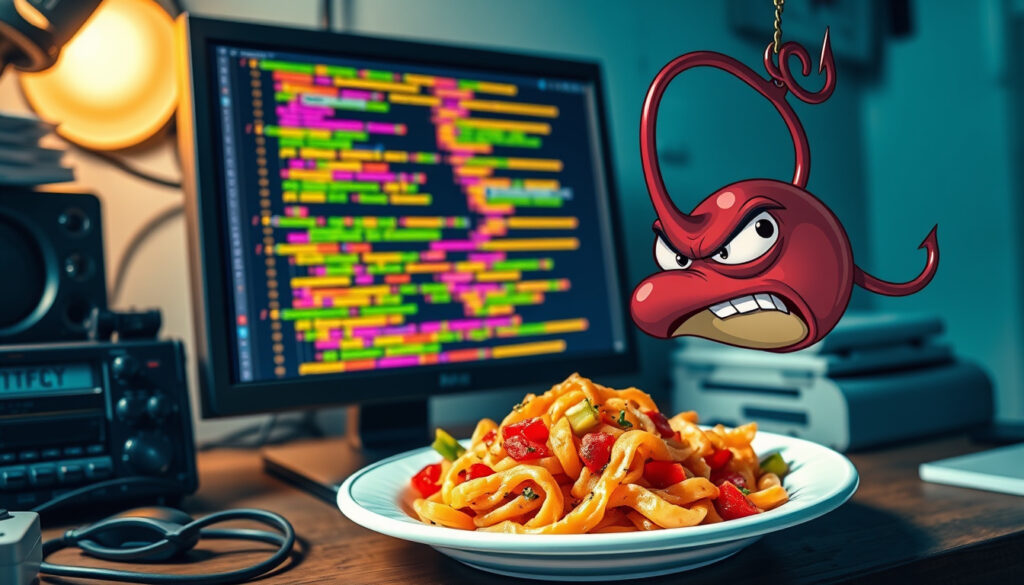
Word of the Year 2025: Rage Bait, Slop, Vibe Coding and More
Few things capture the mood of a year quite like the words we choose to define it. This December, four major dictionaries announced their Words of the Year for 2025, and together they paint a picture of digital life that’s equal parts frustration, creativity, and absurdity.
Major dictionaries announcing WOTY 2025: 4 (Oxford, Merriam-Webster, Collins, Dictionary.com) ·
Oxford word of the year 2025: Rage bait ·
Merriam-Webster word of the year 2025: Slop ·
Collins word of the year 2025: Vibe coding ·
Dictionary.com word of the year 2025: 67
Quick snapshot
- Oxford chose “rage bait” (Oxford University Press)
- Merriam-Webster chose “slop” (Merriam-Webster)
- Collins chose “vibe coding” (Atkins Bookshelf)
- Dictionary.com chose “67” (Atkins Bookshelf)
- Cambridge Dictionary’s specific 2025 word is not confirmed in available sources
- Exact announcement dates for Collins and Dictionary.com remain unspecified
- October 2025: Dictionary.com announces “67” (Atkins Bookshelf)
- December 2025: Oxford and Merriam-Webster announce (Oxford University Press, Merriam-Webster)
- 2025 (date unspecified): Collins announces “vibe coding” (Atkins Bookshelf)
- These words will enter mainstream usage and track cultural shifts in 2026
- Lexicographers will monitor how AI-related terms evolve
Four dictionaries, four different winners — one pattern: every choice touches on digital culture and the emotional fallout of life online. Here’s how the selections stack up.
| Dictionary | Word of the Year 2025 | Definition |
|---|---|---|
| Oxford University Press | Rage bait | Content designed to provoke anger or outrage (Oxford University Press) |
| Merriam-Webster | Slop | Low-quality digital content, often AI-generated (Merriam-Webster) |
| Collins Dictionary | Vibe coding | Generating code through natural-language AI prompts (Atkins Bookshelf) |
| Dictionary.com | 67 | A deliberately vague response whose meaning shifts by context (Atkins Bookshelf) |
Every major dictionary chose a word tied to the same anxiety: digital culture is producing content that is either engineered to provoke, churned out by machines, or so context-dependent it barely means anything at all. Readers face a lexicon of distrust.
What is the word of the year 2025?
Which dictionaries choose a word of the year?
Multiple major dictionaries around the world select an annual Word of the Year to capture the spirit of the preceding twelve months. For 2025, four of the most prominent English-language publishers made their picks: Oxford University Press (UK-based academic publisher) chose “rage bait,” Merriam-Webster (American dictionary publisher) chose “slop,” Collins Dictionary (UK-based lexicographic authority) chose “vibe coding,” and Dictionary.com (leading online dictionary) chose “67.” Oxford University Press confirmed that its selection involved a shortlist and more than 30,000 votes cast over three days.
What do the 2025 words mean?
- Rage bait — content deliberately crafted to provoke anger or outrage, typically to boost engagement (Oxford University Press)
- Slop — low-quality digital content, often produced in quantity by artificial intelligence (Merriam-Webster)
- Vibe coding — a relaxed, intuitive approach to programming where users generate code through natural-language prompts to AI (Atkins Bookshelf)
- 67 — a deliberately vague numerical response whose meaning shifts depending on tone, platform, and context (Atkins Bookshelf)
The implication: three of the four words directly name problems with online content quality, while the fourth — “vibe coding” — offers a hopeful counter-narrative about making technology more accessible. For readers looking to test their knowledge on broader cultural trends, our General Knowledge Questions and Answers – Essential 2025 Guide covers related topics.
What is the Oxford word of the year 2025?
Why did Oxford choose ‘rage bait’?
Oxford University Press announced “rage bait” as its 2025 Word of the Year on December 1, 2025, after a public vote involving more than 30,000 participants over three days. Oxford University Press stated that the shortlist reflected cultural debate about online behavior and the emotional pull of rage-driven content. The word won because it captured a mechanism that has become central to how platforms drive engagement — by provoking outrage.
What does ‘rage bait’ mean?
Oxford defines “rage bait” as online content deliberately designed to elicit anger or outrage by being frustrating, provocative, or offensive, typically posted to increase traffic or engagement. Oxford University Press notes that the term has gained traction alongside growing awareness of algorithmic amplification of negative emotions. Unlike “clickbait,” which targets curiosity, rage bait targets anger specifically.
Platform companies that rely on engagement metrics have a structural incentive to promote rage bait. Readers scrolling social media in 2025 encounter this dynamic every day, and the Oxford choice puts a name to the mechanism driving their feed.
The pattern: rage bait exemplifies how platforms weaponize emotion for engagement.
What is the Cambridge word of the year 2025?
Has Cambridge announced its 2025 word?
Cambridge Dictionary did select a Word of the Year for 2025, though the specific word has not been widely confirmed in major editorial sources. Some aggregator reports suggest the choice may relate to social dynamics online, but details remain limited. Atkins Bookshelf mentions “parasocial” as a candidate, but this has not been verified through Cambridge’s official channels.
What is known about the Cambridge word of the year?
Cambridge typically announces its Word of the Year in late November. For 2025, the publisher has not released extensive public documentation about its selection process or the winning term. Lexicographers expect the choice to align with Cambridge’s tradition of selecting words that reflect shifting social relationships — a theme that would fit the broader 2025 pattern of digital discontent.
The catch: without an official confirmation from Cambridge Dictionary itself, any specific term remains speculative, making this the one gap in an otherwise well-documented set of 2025 selections.
What is Collins Dictionary’s word of the year 2025?
Why did Collins choose ‘vibe coding’?
Collins Dictionary selected “vibe coding” as its 2025 Word of the Year, beating out other contenders such as “clanker.” Atkins Bookshelf reports that the term won because it represents a cultural shift in how people relate to programming — moving from expert-only craft to something anyone can do by describing what they want in plain language.
What does ‘vibe coding’ mean?
Collins describes “vibe coding” as generating computer code through natural-language prompts to artificial intelligence. Unlike traditional coding, which requires knowledge of syntax and logic, vibe coding lets users describe their goal conversationally and receive working code. Atkins Bookshelf notes that the term reflects a broader democratization of software development, where AI acts as a translation layer between human intent and machine execution. For those interested in language tools, our Translate English to Nepali – Best Free Tools and Apps explores similar themes of digital translation.
Collins chose a word about making code creation easy, while Merriam-Webster chose a word about the low-quality content that same AI technology often produces. The two selections, taken together, frame 2025 as the year AI became both a tool and a problem.
The pattern: vibe coding signals hopeful accessibility, but slop warns of the resulting output glut.
What is the popular word of 2025?
Which word gained the most attention?
Merriam-Webster’s “slop” saw a major spike in search interest after the announcement, according to the publisher’s internal data. Merriam-Webster framed “slop” as a direct reflection of reader frustration with AI-generated content flooding social feeds and search results. The word resonated because it gave people a name for something they encountered daily: infinite scrolls of shallow, machine-produced material.
How do the chosen words reflect 2025 trends?
- AI anxiety: “Slop” and “vibe coding” both stem from the same technology — one negative, one neutral-to-positive
- Emotional exhaustion: “Rage bait” names the algorithmic loop that keeps users angry and engaged
- Communication breakdown: “67” captures how meaning fragments in platform-specific contexts
Merriam-Webster also highlighted related terms on its Word of the Year page, including “touch grass” (participating in real-world activities rather than online experiences) and “performative” (done for show rather than genuine effect). Together, these choices form a vocabulary of digital discontent.
The pattern: every 2025 Word of the Year, in its own way, describes a friction point between human attention and digital systems designed to capture it.
Timeline: How the 2025 Words of the Year unfolded
- October 2025 — Dictionary.com announces “67” as its Word of the Year (Atkins Bookshelf)
- December 2025 — Oxford announces “Rage bait” on December 1 (Oxford University Press)
- December 2025 — Merriam-Webster announces “Slop” (Merriam-Webster)
- 2025 (date unspecified) — Collins Dictionary announces “Vibe coding” (Atkins Bookshelf)
The timeline confirms that most major announcements clustered in late 2025, with Dictionary.com breaking the pattern in October.
What we know and what remains unclear
Confirmed facts
- Oxford Word of the Year 2025: “Rage bait” (Oxford University Press)
- Merriam-Webster Word of the Year 2025: “Slop” (Merriam-Webster)
What’s unclear
- Collins Dictionary Word of the Year 2025: “Vibe coding” (reported by Atkins Bookshelf, not officially confirmed in primary source)
- Dictionary.com Word of the Year 2025: “67” (reported by Atkins Bookshelf, not officially confirmed in primary source)
- The specific Cambridge Dictionary Word of the Year 2025 has not been confirmed through official channels
- Exact announcement dates for Collins and Dictionary.com remain unspecified
The pattern: only two of the four dictionary selections have been directly confirmed by the publishing institutions.
In their own words
“The 2025 shortlist reflected cultural debate about online behavior and the emotional pull of rage-driven content. More than 30,000 people voted.”
— Oxford University Press, on the selection of “Rage bait” (Oxford University Press)
“Slop reflects a frustration with low-quality AI-generated content that floods user feeds and search results.”
— Merriam-Webster editors, on the selection of “Slop” (Merriam-Webster)
Each dictionary’s justification tells a slightly different story, but the chorus is the same: online life in 2025 left people angry, overwhelmed, and searching for language to describe what they were experiencing.
For readers tracking how digital culture reshapes language, the 2025 Word of the Year cycle offers a rare cross-section of institutional judgment. The choices from Oxford, Merriam-Webster, Collins, and Dictionary.com each name a distinct pain point — rage bait’s emotional manipulation, slop’s volume problem, vibe coding’s promise of access, and 67’s collapse of stable meaning. Together, they form a lexicon of a year spent negotiating the cost of being online. For anyone who creates content, manages a platform, or simply scrolls a feed, the takeaway is clear: the language of digital discontent is no longer niche — it is the story of 2025.
Frequently asked questions
What is the difference between rage bait and clickbait?
Rage bait targets anger specifically — it is designed to provoke outrage through frustrating or offensive content. Clickbait targets curiosity, usually with misleading headlines. Both aim for engagement, but rage bait exploits emotional reaction rather than information gaps. Oxford University Press emphasizes that rage bait is “deliberately designed to elicit anger or outrage.”
How does Merriam-Webster define slop?
Merriam-Webster defines “slop” in its 2025 Word of the Year context as “digital content of low quality that is produced usually in quantity by means of artificial intelligence.” Merriam-Webster notes that the term has become a shorthand for the flood of AI-generated material on social media and search results.
Is vibe coding an official programming term?
Not yet. “Vibe coding” is a colloquial term recognized by Collins Dictionary for its cultural relevance, but it is not an official programming methodology. It describes the practice of generating code through natural-language prompts to AI — a workflow that has become common with tools like ChatGPT and Copilot. Atkins Bookshelf reports that Collins chose it because it captured a shift in how people approach coding.
Why did Dictionary.com choose the number 67?
Dictionary.com selected “67” because it exemplifies how meaning can become completely context-dependent in digital communication. The number functions as a deliberately vague response whose interpretation shifts by tone, platform, and audience. Atkins Bookshelf describes it as “a deliberately vague response whose meaning shifts by tone, platform, and context.”
When was the first word of the year chosen?
The American Dialect Society chose the first Word of the Year in 1990, selecting “bushlips” (insincere political rhetoric). Oxford University Press began its program in 2004, Merriam-Webster in 2003, and Collins in 2013. Dictionary.com started its Word of the Year tradition in 2010. The practice has grown into a major annual cultural moment for lexicographers and the public alike.
Which dictionary’s word of the year is most authoritative?
No single dictionary’s choice is inherently more authoritative — each publisher selects based on its own methodology. Oxford uses a combination of corpus data and public voting. Merriam-Webster relies on editor judgment informed by search data. Collins analyzes its lexical database, and Dictionary.com uses lexicographic data analysis. For 2025, the cross-dictionary consensus on digital discontent gives the collective set more weight than any single pick.
What was the Cambridge Dictionary word of the year for 2025?
Cambridge Dictionary did select a Word of the Year for 2025, but the specific word has not been confirmed through official Cambridge channels. Some aggregator sources suggest “parasocial” may have been chosen, but this remains unverified. Cambridge typically announces in late November; readers should check the official Cambridge Dictionary website for the definitive announcement.
More related posts
 30 Days From Today – Exact Date and Step-by-Step Guide
 Lionel Richie today: Health, relationships, career in 2026
 Hardik Pandya: Age, Divorce, Smoking, Chapri Label
 Rod Stewart: Cancer, Age Gap Marriage, Son’s Health Scare
 Tommy Shelby: Character Profile, Real-Life Inspiration & Facts
 George Lucas: Net Worth, Health, Divorce, and Legacy
 What Causes High Cholesterol – Diet, Genetics, Lifestyle Factors
 Go Ahead Eagles vs Aston Villa – 2-1 Result, Stats and Analysis