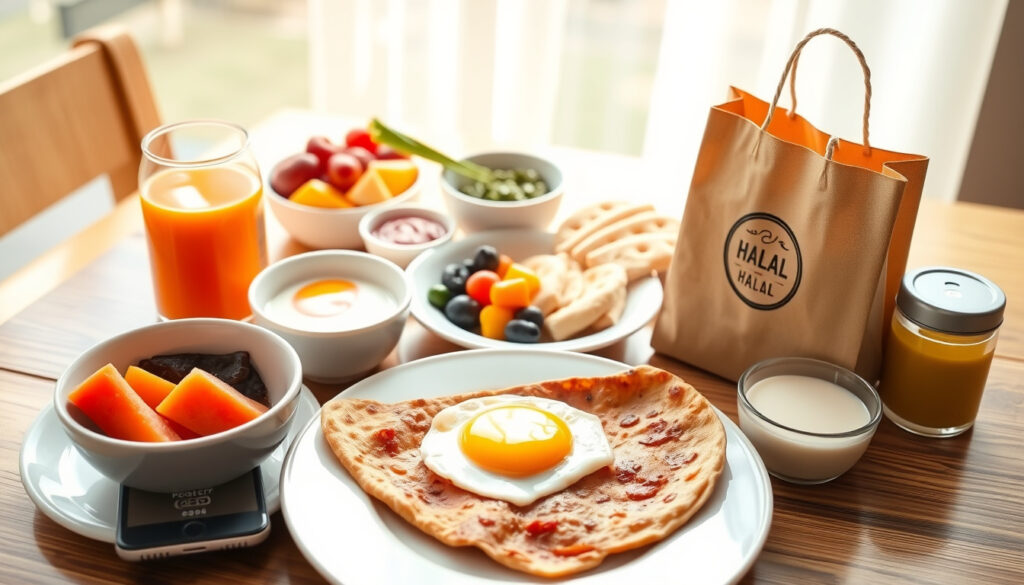
Halal Breakfast Near Me – Top Spots, Apps and Delivery Guide
Finding a quality halal breakfast near you has become significantly easier as demand for Islamic-compliant dining options continues to rise across the United States. Whether you’re seeking a quick morning meal or a leisurely weekend brunch, understanding which establishments meet certification standards can save time and ensure dietary compliance.
The halal food market has grown approximately 7-10% annually, driven by a global Muslim population of 1.8 billion and increasing interest from non-Muslim consumers drawn to ethical food practices. Delivery platforms now offer dedicated halal filters, while certification bodies like IFANCA and HFSAA have expanded their directories to include breakfast-focused establishments.
This guide covers everything from identifying certified restaurants to understanding ingredient requirements, ensuring you can confidently navigate your morning dining options.
Top Halal Breakfast Spots Near You
Locating dependable halal breakfast venues requires understanding both geographic patterns and certification verification methods. Major metropolitan areas typically offer the widest selection, with concentrations around Middle Eastern communities and diverse urban centers.
Zankou Chicken, Halal Guys, and Shawarma Point offer consistent certification standards across locations.
Uber Eats, DoorDash, and Grubhub feature halal filters and certification badges.
Eggs, dairy, and meat products require specific certification checks.
Zabihah app, IFANCA directory, and HFSAA listings provide real-time verification.
Key Verification Insights
- Always look for displayed certification logos from recognized bodies such as Zabihah, IFANCA, or HFSAA.
- Hand-slaughtered (zabihah) meat follows traditional Islamic method where a Muslim invokes Allah’s name during slaughter.
- Cross-contamination risks exist in establishments using shared grills or fryers for both halal and non-halal items.
- Vegetarian breakfast options like hummus, labneh, and certified eggs present lower verification complexity.
- Menu descriptions claiming “halal-style” or similar phrasing without official certification require additional scrutiny.
- Apps like Zabihah.com offer scanner features for real-time location-based verification.
Common Breakfast Foods at a Glance
| Food Item | Typical Halal Status | Notes |
|---|---|---|
| Eggs | Halal | Unless cross-contaminated |
| Oatmeal/Porridge | Halal | Verify milk additives |
| Pancakes/Waffles | Often Halal | Check syrup and butter ingredients |
| Yogurt/Parfaits | Halal if certified | Avoid gelatin-based varieties |
| Sausage/Bacon | Haram (pork-based) | Seek turkey/beef halal alternatives |
| Bread/Toast | Halal | Confirm lard-free preparation |
| Fruit Smoothies | Halal | No alcohol flavorings permitted |
| Falafel/Shawarma Wraps | Halal if certified | Verify meat source certification |
Halal Breakfast Delivery and Apps
Delivery services have transformed access to halal breakfast options, with major platforms now incorporating dedicated filtering systems. These apps allow users to sort by certification status and read reviews specifically addressing compliance questions.
Platform Features and Capabilities
Uber Eats, DoorDash, and Grubhub all offer halal-specific search filters that display certification badges directly on restaurant listings. Users can apply multiple filters simultaneously, narrowing results to certified establishments within their delivery radius.
The process typically involves opening the app, selecting delivery or pickup, entering location details, and applying the halal filter under dietary preferences. Results can be further refined using certifier-specific hashtags such as #Zabihah or by searching for particular certification body names.
Sort results by “halal certified” rather than just popularity. Customer reviews often mention specific certification compliance details that may not appear in official listings.
Verification Before Ordering
Reading verification-focused reviews proves essential when ordering breakfast delivery. Multiple sources indicate that platforms like TripAdvisor contain user-generated content discussing specific halal compliance aspects at various establishments.
The Halal Guys chain has reported approximately 20% year-over-year delivery growth, demonstrating increasing consumer comfort with ordering certified breakfast items through third-party services. Their app and website directly display certification information for each location.
Popular Halal Breakfast Chains
Several national and regional chains have established strong reputations for consistent halal certification, making them reliable choices for morning meals across multiple locations.
National Chain Options
Zankou Chicken offers Mediterranean breakfast items including shawarma plates and falafel at various locations. The chain maintains certification through established halal bodies.
The Halal Guys, originally a New York food cart operation, has expanded into a national chain offering breakfast platters and combo meals. Their supply chain verification process covers all ingredients and preparation methods.
Shawarma Point and similar regional chains provide Middle Eastern breakfast staples such as manakish (flatbread with toppings) and foul medames (Egyptian bean dish) at certified locations.
Regional Highlights by City
Los Angeles hosts several highly-rated halal breakfast establishments. Shamshiri Grill offers Mexican-Mediterranean fusion with a 4.2-star rating from 177 reviews and serves breakfast fusion options. Dune holds a 4.7-star rating from 34 reviews, while Sunnin Lebanese Cafe provides Lebanese-Mediterranean cuisine suitable for breakfast wraps with 53 reviews.
The Bay Area features iJava Cafe and Mirchis Cafe, both highlighted during HalalFest events for their breakfast offerings and cafe atmosphere. These establishments have built reputations through consistent certification displays and community engagement.
Urban areas with established Middle Eastern communities typically offer the highest concentration of certified halal breakfast options. Use certifier directories to identify local favorites beyond major chains.
What Makes Breakfast Halal?
Understanding halal breakfast requirements begins with core Islamic dietary laws that prohibit specific substances and require specific sourcing and preparation methods for permissible items.
Fundamental Prohibited Substances
Islamic dietary law absolutely forbids pork products, alcohol in any form, blood, carrion (dead animals), and intoxicants. These prohibitions apply to ingredients, preparation methods, and cross-contamination scenarios.
Meat products present the most complex verification requirements. The slaughter method, known as zabihah, involves a Muslim invoking Allah’s name while humanely slaughtering a healthy herbivore. Hand-slaughtered meat often commands higher prices but represents stricter adherence to traditional requirements.
Ingredient Verification Points
Processed foods may contain hidden non-halal ingredients. E-numbers require particular attention; for example, E471 can indicate potential pork fat content. Gelatin sourced from non-halal animals and certain enzymes derived from haram sources appear in unexpected products.
Dairy products must be verified as rennet-free unless sourced from certified halal animals. Some breakfast items like certain pancake mixes, flavored yogurts, and processed breakfast meats contain additives that compromise halal status.
Always check ingredient labels for E-numbers and undefined “natural flavors.” Some breakfast syrups and extracts may contain alcohol-based carriers or animal-derived ingredients not obvious from product names.
Cross-Contamination Considerations
Shared cooking equipment presents genuine concerns for halal compliance. A grill used for both halal chicken and conventional pork products may compromise certification status depending on the certifier’s standards. Fryers present similar challenges when oil is reused across different food types.
Reputable certification bodies evaluate cross-contamination protocols during audits. Establishments displaying certification logos have typically demonstrated adequate separation between halal and non-halal items during preparation and cooking.
Established Facts and Areas of Uncertainty
| Established Information | Less Certain Information |
|---|---|
| Core halal prohibitions (pork, alcohol, blood, carrion) | Shellfish status varies among different Islamic schools of thought |
| Zabihah slaughter requirements for meat | Specific cross-contamination thresholds vary by certifier |
| Certification body verification standards | Regional enforcement consistency for unverified claims |
| Market growth statistics (~7-10% annually) | Exact market share percentages by region |
| Delivery platform filter availability | Real-time certification status accuracy across all listings |
Verification Steps for Uncertain Situations
When certification status remains unclear, contact the establishment directly to confirm their certifier and request documentation. Reputable businesses readily provide certification numbers or direct users to verification resources.
Download certifier applications including Zabihah.com, which offers scanner functionality, or consult IFANCA.org and HFSAA listings before visiting unfamiliar establishments.
Why Halal Breakfast Options Have Expanded
The growth in halal breakfast availability reflects broader demographic shifts and economic opportunities. The global Muslim population of 1.8 billion represents significant purchasing power that businesses increasingly recognize.
Certification organizations have responded by expanding services and reducing verification barriers for restaurants. IFANCA has extended certification to include vegan and plant-based options, broadening appeal beyond traditional meat-focused offerings.
Urban concentration of Muslim communities in cities like Los Angeles, New York, and the Bay Area has created sufficient demand clusters to support specialized halal breakfast establishments. These areas demonstrate how market forces and demographic patterns influence dining availability.
Non-Muslim consumers have contributed to demand by associating halal certification with ethical sourcing, clean preparation, and quality standards. This crossover appeal has encouraged additional investment in halal-certified breakfast menus.
Certification Standards and Organizations
“Halal certification ensures food complies with Islamic dietary laws, prohibiting pork, alcohol, carnivorous animals, and requiring specific slaughter methods for meat.”
— IFANCA (Islamic Food and Nutrition Council of America)
Major certification bodies maintain different verification approaches and coverage areas. Understanding these differences helps consumers make informed choices.
IFANCA operates as one of the most recognized halal certification organizations, verifying supply chains, ingredients, and processing methods across thousands of products and establishments.
HFSAA (Halal Food Standards Alliance of America) provides another established certification pathway, particularly valued in the restaurant sector for its audit-based verification approach.
Zabihah certification specifically denotes hand-slaughtered meat prepared according to traditional methods. This designation often indicates stricter adherence to Islamic slaughter requirements compared to machine-slaughtered alternatives.
Halal Food Council USA offers additional verification resources and maintains directories of certified establishments across various categories.
Finding Halal Breakfast: Your Next Steps
Begin your search by downloading verification apps and creating accounts with certifier directories. The Zabihah app scanner allows location-based searches that display nearby certified establishments with real-time operating hours.
Open your preferred delivery app and apply halal filters before browsing options. Sort results by certification status rather than default popularity rankings to surface verified establishments.
When visiting new restaurants, request documentation of current certification and verify the certifier’s recognition status. Established businesses typically display logos prominently near entrances or on menus.
For those exploring alternative brunch options, consider that the broader breakfast scene offers diverse interpretations. Local venues like the Slug and Lettuce Bottomless Brunch and Costa Coffee Greengates Closure demonstrate how breakfast culture varies across regions, even if their specific offerings differ from halal-certified options.
Frequently Asked Questions
How do I find halal breakfast places open now near me?
Use delivery apps with geolocation features and apply halal filters. Combine location search with certifier names like “Zabihah” or “IFANCA” for verified results. Check certifier apps like Zabihah.com for real-time operating hours and certification status.
Are eggs always halal for breakfast?
Plain eggs are generally halal unless cross-contaminated during preparation or cooking. Verify that cooking equipment hasn’t been used for non-halal items and that no prohibited ingredients are added during preparation.
What’s the difference between halal-style and certified halal?
“Halal-style” indicates no formal verification has occurred. Certified halal means an accredited organization has audited the establishment’s ingredients, preparation methods, and supply chain. Always verify claims against displayed certification logos.
Can I trust delivery app halal filters?
Delivery app filters rely on restaurant self-reporting and certification badge displays. While useful starting points, they may include unverified claims. Supplement app searches with certifier directories for confirmed halal status.
What should I avoid at non-specialized breakfast restaurants?
Avoid items containing pork (bacon, ham), alcohol-based flavorings, non-certified meat products, and items cooked on shared equipment with prohibited foods. When uncertain, choose vegetarian certified options like hummus, certified eggs, or plain oatmeal.
How much does halal breakfast typically cost?
Prices vary by location and establishment type. Certified chain restaurants generally price breakfast items comparably to conventional options. Specialty halal establishments and those using hand-slaughtered meat may command slight premiums reflecting certification and sourcing costs.
Are smoothies and juices always halal?
Most fruit-based smoothies qualify as halal, provided no alcohol-based flavorings or non-halal additives are included. Verify that gelatins, thickeners, or protein supplements used in blended drinks come from certified sources.
More related posts
 Javon Walton: Why He Stopped Acting, Boxing Career & Family
 MMR Injection: Schedule, Side Effects & Booster Guide
 Slug and Lettuce Bottomless Brunch – Prices Menus and Booking Guide
 Ruben Loftus-Cheek: height, stats, salary, injury history
 Steffi Graf Now: Family, Church Exit, Agassi’s Health
 MP4 to MP3 Converter: Free Online Tools & Apps (2025)
 Jessica Radcliffe Hoax: Debunking the Viral Orca Attack